


AI is often marketed in sales as mere automation, a magic button to send emails and fill CRMs. But for Enablement leaders, AI's true value is in changing how sellers operate.
Successful AI enablement demands more than rolling out new technology; it calls for a full change management approach rooted in clear measurement. AI unlocks metrics like deal velocity, lead growth, and closed-won rates only when treated as a transformational initiative.
Over the last year, my team has moved beyond generic "AI training" to focus on AI fluency. By integrating custom AI "Gems," Kaizen-based process improvements, and the MEDDIC framework into our enablement strategy, we’ve begun to see real bottom-line impact. This is our blueprint for enabling the AI-powered seller, measured from classroom to closed-won.
The enablement shift: From consumer to creator
Most sales organizations make the mistake of treating sellers as passive consumers of AI. We took a different approach and turned them into creators.
In our 'AI-Powered Sales Excellence' program, we held workshops on building and using Gemini Gems (custom AI assistants for specific workflows) in the sales cycle.
We encouraged reps to build Gems for their specific friction points, such as:
The "MEDDIC Deal Reviewer" Gem: A rep can paste their call notes and CRM opportunity data into this custom Gem, and it instantly identifies which MEDDIC framework letters are missing.
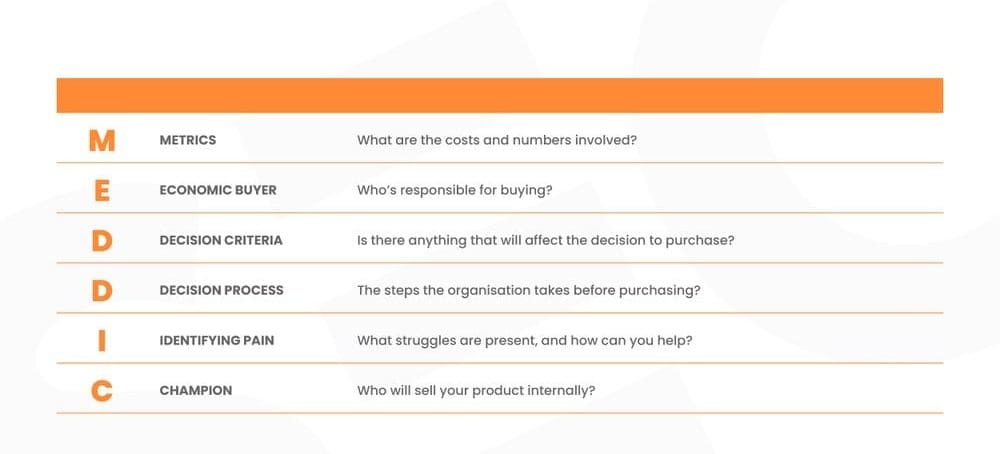
This saves time and reinforces our sales methodology in real time, informing reps about deal risk early, helping mitigate it, and increasing conversion and win rates.
The 'Objection Handler' Gem: A role-play partner that uses our competitor battlecards to test a rep's pitch before calls.
The AI MEDDIC Sales Plan: A sales strategist that leverages the MEDDIC framework to find decision-makers and champions, identify pain points, and desired metrics. Additionally, it develops an engagement strategy for messaging and outreach.
Solving pipeline leaks with AI and Kaizen
Enablement often focuses on lead volume, but the main revenue threat is stalled deal velocity at handoff points.
Manual, porous knowledge transfer from Sales to Implementation caused delays after signature. We used the Kaizen framework to tackle stalled deals.
We enabled sellers to use AI to bridge this gap. AI synthesized deal notes, call transcripts, and success criteria into a standardized Handoff Brief, reducing admin for sellers and providing clearer info for Implementation and Customer Success.
The Metric impact:
- Deal Velocity: Reduced the "dead time" between closed-won and kick-off.
- Lead Increase: Automating handoff admin freed up hours for sellers, allowing more prospecting and top-of-funnel work.
 Richard Bracchi
Anchoring AI in methodology
To drive closed-won rates, our team explicitly aligned our AI enablement with the MEDDIC framework.
We integrated AI into our onboarding program for new hires, not as a separate module, but as the delivery mechanism for MEDDIC training. New hires use AI simulators to practice uncovering "Metrics" and identifying the "Economic Buyer." The AI provides instant, non-judgmental feedback on their adherence to the framework.
This speeds up ramp time. New hires don’t wait for manager feedback; they get it from AI, which runs 20 simulations a week. They join live calls confidently, having practiced and 'failed' safely before.
The Kirkpatrick strategy
Enablement is often criticized for focusing on vanity metrics.
To prove value, we follow the Kirkpatrick Model (L1-L4).
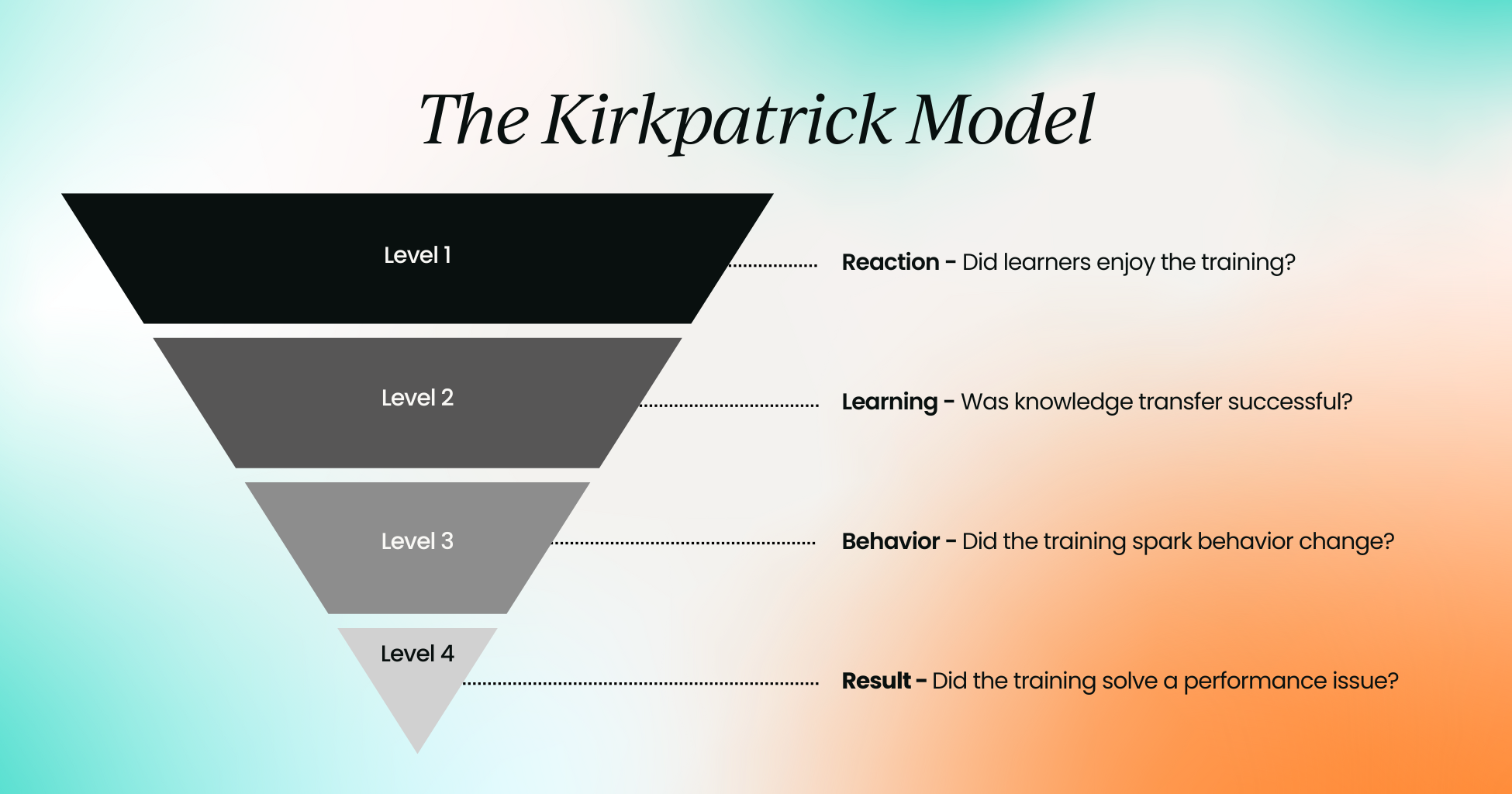
Here is how we measure the success of enabling sellers on AI:
Level 1: Reaction (The "Smile Sheet")
- Metric: Net Promoter Score (NPS) of the AI training workshops.
- Method: Immediate post-session surveys. Did the sellers find the "Gemini Gems" session relevant? Did they feel confident using the tools immediately?
- Goal: High engagement indicates that the "fear factor" of AI is being replaced by curiosity.
Level 2: Learning (Knowledge Acquisition)
- Metric: Certification and Simulation Scores.
- Method: We don't just use quizzes. We use AI-scored role-plays. Can the rep successfully use an AI tool to research a prospect and build a valid MEDDIC hypothesis?
- Goal: Confirm reps know how to use AI for strategic selling, not just prompt syntax.
Level 3: Behavior (Transfer to the job)
- Metric: Adoption and Usage Analytics.
- Method: This is where the rubber meets the road. Are they using the "MEDDIC Checker" Gem we built? We track the utilization of these specific AI assets in their daily workflow. We also look for the "Kaizen" effect: are the automated handoff briefs actually being generated and sent?
- Goal: Evidence of behavior change. AI is no longer a novelty but a habit.
Level 4: Results (Business Impact)
- Metric: Pipeline Health and Revenue.
- Method: This is the data we present to the CRO. We compare the cohorts of "AI-Enabled" sellers vs. those lagging in adoption.
- Closed Won: Do AI-heavy users have a higher win rate because they are better prepared for objections?
- Deal Velocity: Has the time-in-stage decreased for reps using AI for research and admin tasks?
- Lead Increase: Has the volume of self-generated leads increased because reps are using AI to personalize outreach at scale?
- Goal: Show a direct link between AI fluency and revenue.
 James Shaw
The future is hybrid selling
AI enablement's purpose is to free sellers from drudgery so they can focus on building relationships and driving results. By teaching reps to create custom AI Gems, smoothing friction via Kaizen, and grounding everything in rigorous measurement, we aren't just adding another sales tool; we’re sharpening our sales force's effectiveness.
Yvonne Anders has led GTM Enablement for nearly 8 years, specializing in modern sales and boosting revenue efficiency with technology. She has a background in instructional design and sales leadership, bridging traditional sales with the AI-powered future.


Sales enablement insider
Thank you for subscribing
Level up your sales enablement career & network with sales enablement experts
An email has been successfully sent to confirm your subscription.
 Follow us on LinkedIn
Sales enablement insider
Thank you for subscribing
Level up your sales enablement career & network with sales enablement experts
An email has been successfully sent to confirm your subscription.


.svg)
