


The sales enablement profession faces a sobering reality. According to our data, average compensation across the profession has declined by $5,619 compared to the previous year, dropping from $137,032 to $131,413.
This decrease arrives at a strange moment. Enablement teams are expanding their scope, taking on more strategic responsibilities, and increasingly demonstrating measurable impact on revenue outcomes. Yet compensation hasn't kept pace with these evolving demands.
Our latest Sales Enablement Landscape Report offers some insights into this phenomenon. In this article, I'll share the crucial salary data from the report to reveal not only the challenges surrounding enablement compensation, but also the specific factors that are differentiating high earners from their peers.
The sales enablement compensation baseline
The global median salary for an enablement professional is $125,000, with the average reaching $131,400. However, these headline figures obscure significant variation across experience levels, organizational structures, and geographic regions (which we'll explore later).
Perhaps more revealing is the fact that only 41% of survey respondents believe their current compensation accurately reflects their role and responsibilities. An even smaller proportion (23%) feel that enablement salaries broadly reflect the value the function delivers to organizations.
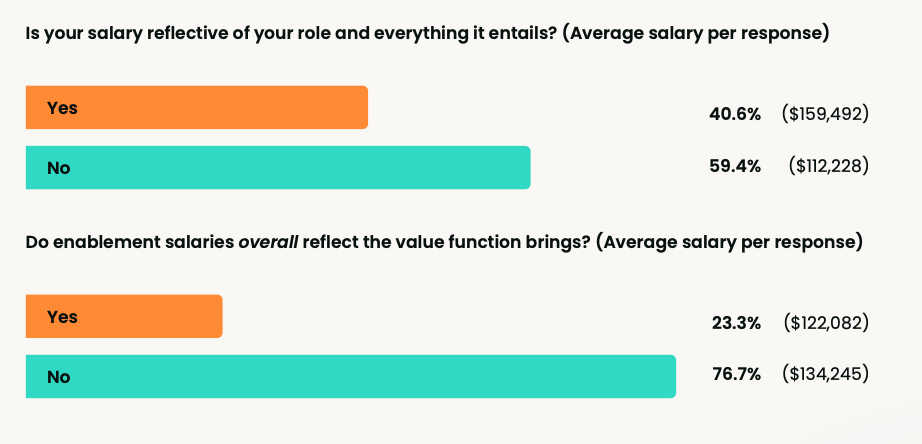
This perception gap matters. It suggests a significant misalignment between the strategic importance of enablement and how organizations value (and compensate) the professionals who execute it.
Enablement compensation by seniority level
Our data points to a clear progression of earnings tied to career advancement.
Junior: The average salary of an entry-level enablement professional is $75,517. The median salary for the same group is $69,000.
Manager: Sales Enablement Managers reported an average salary of $116,800, and median earnings of $122,000.
Head of Sales Enablement: Heads of enablement departments earn on average $147,000, and report median salaries of $150,000.
Director and above: Directors of Sales Enablement can expect to make $190,000, with a median of $186,000.
The impact of location on sales enablement salaries
Location is the single biggest factor in determining earning potential in the enablement profession. North American respondents (primarily from the United States) unsurprisingly reported the highest earnings, with an average of $142,400 across all seniority levels. This contrasts with the European average of just $110,000. And for the rest of the world, average earnings drop to $97,000.
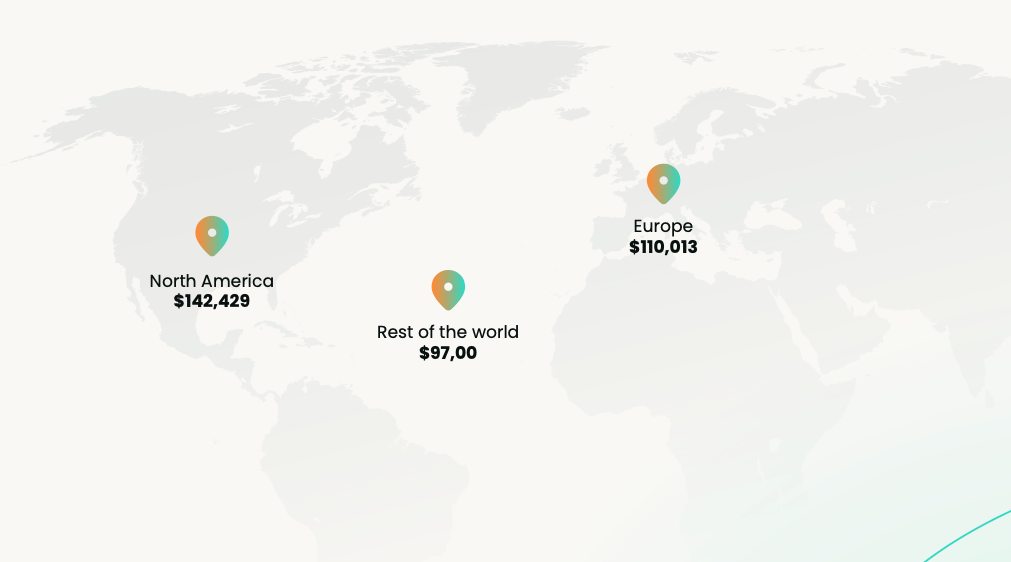
So what do these geographic factors mean for earnings by seniority level? In short, geography matters a lot.
Junior level median salary:
- 🇺🇸 North America: $85,000
- 🇪🇺 Europe: $42,000
Manager level median salary:
- 🇺🇸 North America: $125,000
- 🇪🇺 Europe: $87,000
Head of department median salary:
- 🇺🇸 North America: $189,000
- 🇪🇺 Europe: $96,000
Director and above median salary:
- 🇺🇸 North America: $200,000
- 🇪🇺 Europe: $185,000
The strategic value of job titles
Our research also reveals a substantial earnings gap between different enablement titles, even when day-to-day responsibilities remain largely similar. Here's a look at average compensation by enablement function as expressed within the respondent's job title:
- Sales enablement: $112,879
- GTM enablement: $139,158
- Revenue enablement: $163,870
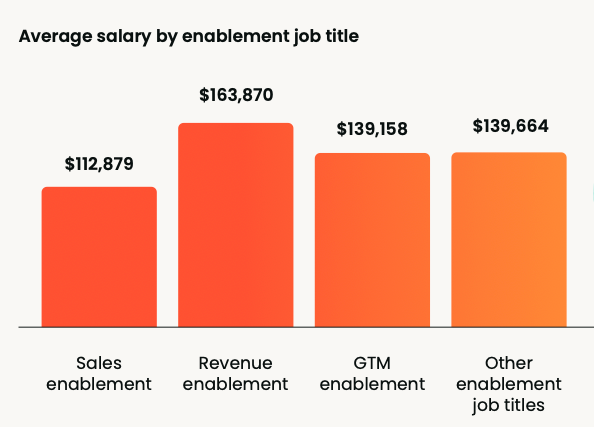
The $50,991 difference between "sales" and "revenue" enablement is particularly striking. This suggests that organizations associate broader scope (implied by "revenue" rather than "sales") with greater strategic value, and compensate accordingly.
For professionals currently in sales enablement roles but supporting multiple revenue-generating functions, this data presents a compelling case for a title adjustment. The language we use to describe our roles carries significant weight in compensation discussions.
The impact of management responsibilities on enablement earnings
Leadership responsibility represents one of the strongest correlations with increased compensation.
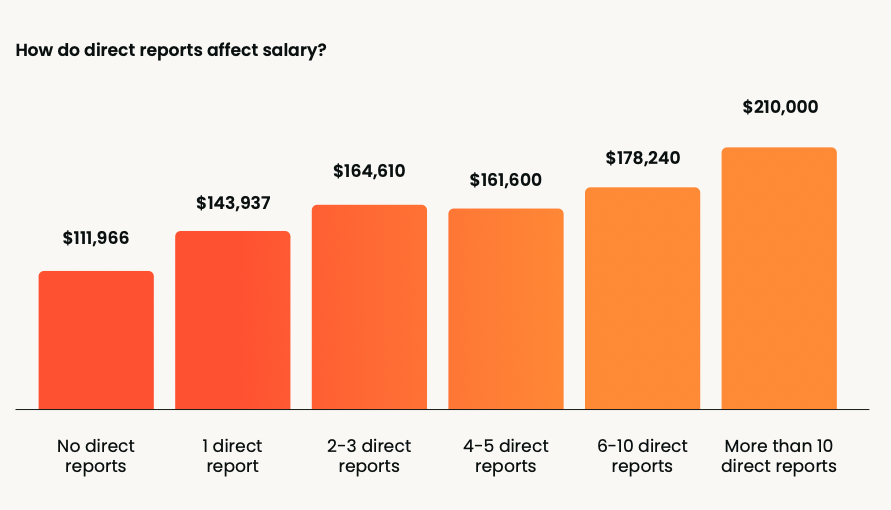
The progression is nearly linear, with each additional team member adding approximately $8,000-$15,000 to average compensation. This reflects both the increased responsibility of people management and the senior organizational positions that typically include direct reports.
For individual contributors seeking compensation growth, this data suggests that pursuing management opportunities may be more financially impactful than deepening expertise as a senior IC.
Is there a gender pay gap in sales enablement?
The answer to whether there's a gender pay gap in enablement is, disappointingly, yes. Our data points to a gender-based compensation disparity that mirrors broader labor market trends:
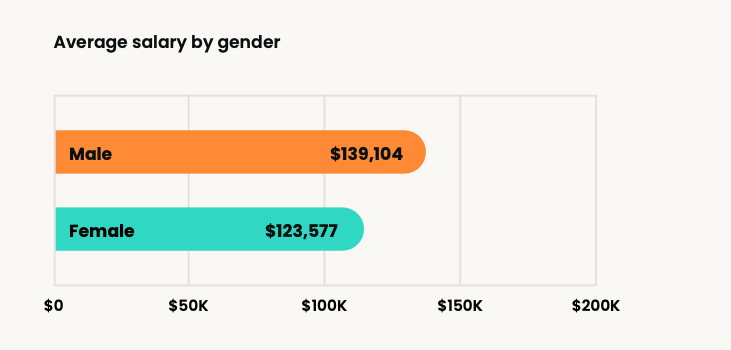
This $15,000 gap (11%) persists even at senior levels, where male directors and above earn $172,491 compared to $166,960 for female counterparts.
While this pattern reflects systemic issues beyond any single organization, the implications for individual professionals are clear: proactive negotiation, transparency advocacy, and data-driven compensation discussions become essential strategies for addressing this disparity.
Total compensation: Are enablement professionals receiving bonuses?
An often-overlooked element of enablement compensation is variable pay. Our 2025/26 salary report indicates that 73% of professionals receive bonuses or commission on top of base salary.
Interestingly, professionals receiving variable compensation also maintain higher base salaries on average ($129,037 versus $112,870 for those without). This suggests that bonus structures typically augment competitive base packages rather than compensating for below-market fixed compensation.
What's the relationship between experience and enablement salaries?
Years of experience in the enablement space show an interesting — and non-linear— relationship with compensation:
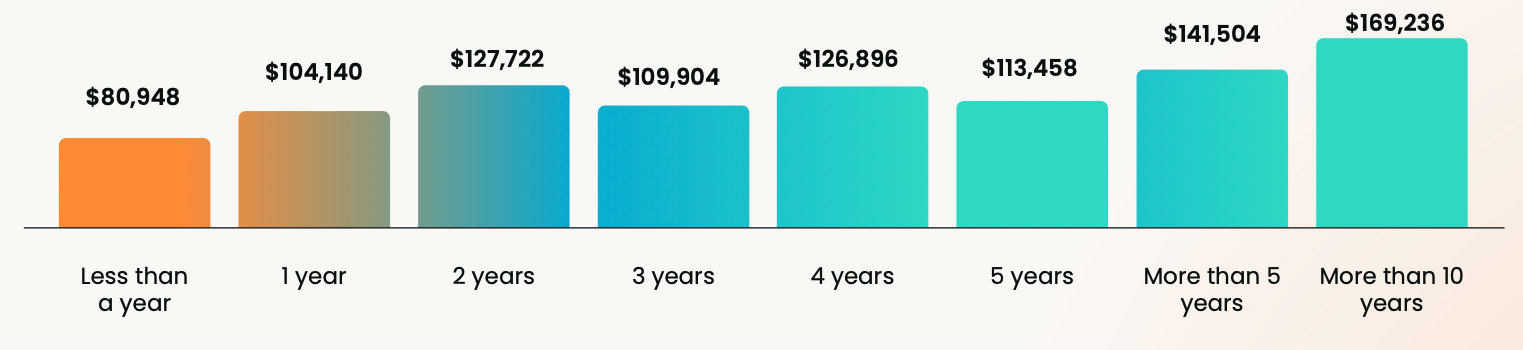
The notable decline in the 4-5 year range likely represents a critical career juncture. Professionals at this stage have typically outgrown junior positions but may not yet have accessed management or director-level opportunities.
This pattern suggests that proactive career management during this period—whether pursuing leadership roles, changing organizations, or specializing in high-value areas—becomes particularly important to avoid compensation stagnation.
Do certifications and courses boost enablement earning potential?
For less experienced enablement professionals, is there anything you can do expedite salary growth?
Our data suggests acquiring certifications might be one effective route. Enablement professionals holding current certifications earn an average of $146,529, compared to $124,114 for those without credentials, a difference of $22,415, or approximately 18%.
This premium reflects several factors:
- Demonstrated commitment to professional development
- Validated expertise and knowledge
- Increased credibility with stakeholders
- Enhanced negotiating position during hiring or promotion discussions
For professionals seeking to accelerate their compensation growth, certification represents one of the most accessible levers available. The typical investment of $1,000-$2,000 for a recognized certification program offers a compelling return on investment when evaluated against the average salary differential.
What does this mean for your earnings?
Our research raises several insights for enablement professionals looking to boost their pay and progress quickly:
- Proactively pursue certifications that demonstrate expertise and commitment to professional development.
- Advocate for title adjustments that accurately reflect cross-functional scope and strategic impact.
- Evaluate management opportunities given the substantial compensation premium associated with direct reports.
- Remain open to geographic flexibility to access higher-paying markets or optimize cost of living ratios.
- Negotiate assertively using comprehensive market data rather than relying on employer-provided ranges.
- Monitor the 4-5 year career stage carefully, as this represents a critical juncture requiring proactive career management.
But most importantly, be sure to make compensation evaluation a regular practice rather than an occasional consideration. Annual benchmarking against market data helps ensure you're not gradually falling behind competitive rates while focused on day-to-day responsibilities.
For more insights on enablement salaries, and the wider industry landscape, get your free copy of the 2025 Sales Enablement Landscape and Salary report.


Sales enablement insider
Thank you for subscribing
Level up your sales enablement career & network with sales enablement experts
An email has been successfully sent to confirm your subscription.
 Follow us on LinkedIn
Sales enablement insider
Thank you for subscribing
Level up your sales enablement career & network with sales enablement experts
An email has been successfully sent to confirm your subscription.



.svg)
